About the desk

A Specialist Antiquities Desk in Southern Cairo

Grand Muse Antiquities Review is a four-editor publication operating from a small office on Road 9 in Maadi, the leafy southern suburb of Cairo. We were founded informally in 2015 as a research bulletin among Egyptology graduates and registered formally as Grand Muse Antiquities Review L.L.C. in 2017 under Commercial Registry number 263548. The publication accepts no advertising income, no affiliate commissions and no sponsored coverage of any kind.

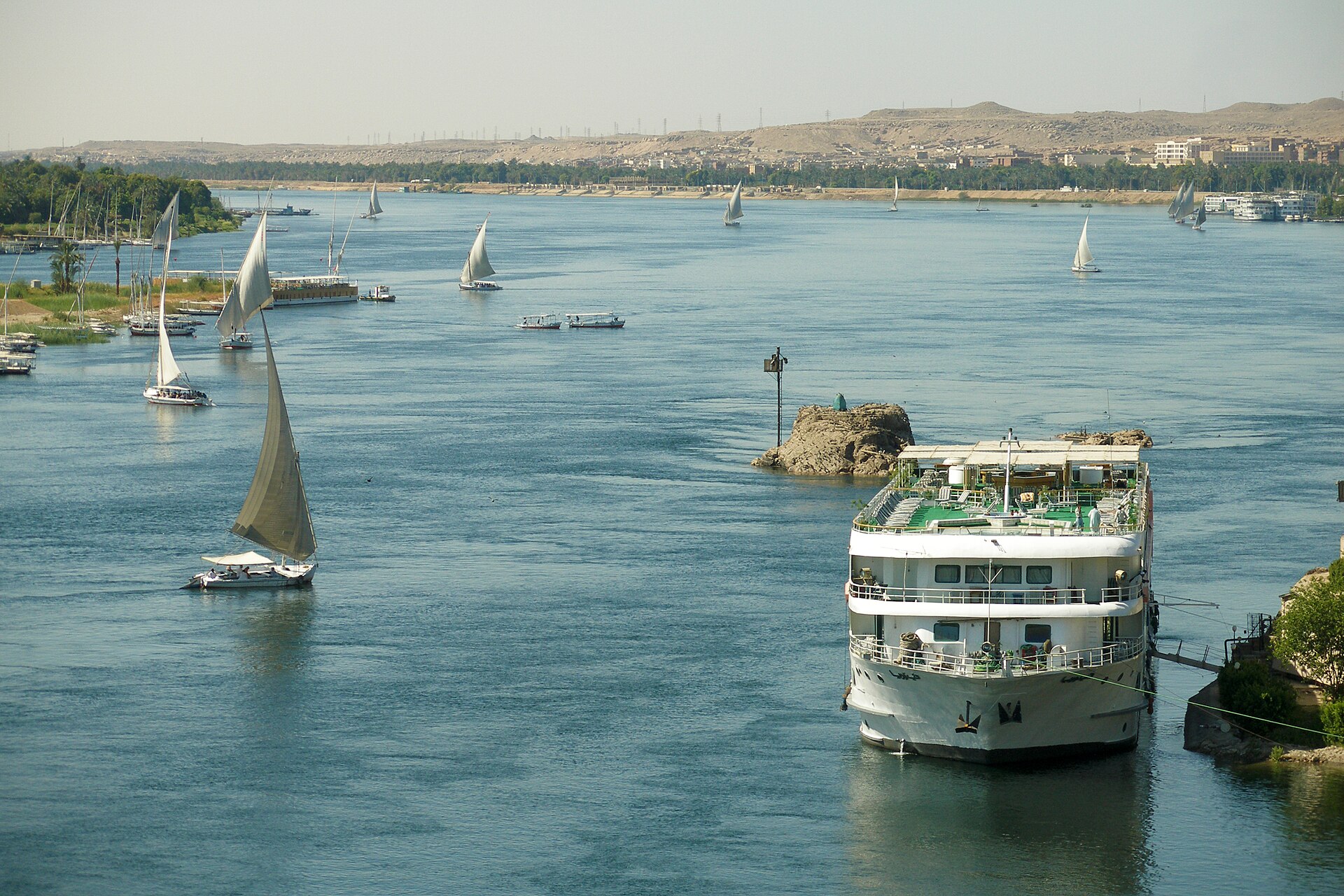
Wooden Nile boats on the river at Aswan — a Grand Muse fieldwork photograph
Origin

From a Research Bulletin to a Public Archive

Grand Muse began in late 2014 as a private circulating bulletin between four Egyptology graduates working at three Cairo institutions — Cairo University, the American University in Cairo, and the Coptic Museum's archive division. The bulletin started as a way to share fieldwork notes about archaeological sites that the four of us were visiting independently, often in pairs, on weekends and during holidays. By summer 2015 the bulletin had readers beyond the original four and we made the decision to publish it openly on a small website.

The decision to incorporate as a Limited Liability Company in Egypt was taken in 2017 once the reader base had stabilised enough to justify the bookkeeping work. Grand Muse Antiquities Review L.L.C. was registered in Cairo in May 2017 under Commercial Registry 263548; the Tax ID was issued the same year by the Egyptian Tax Authority. The four founders remain the four editors of the publication today, supported by occasional contributors who write specialist pieces under their own names rather than under the Grand Muse byline.

The website you are reading has gone through three iterations. The current version is hand-coded in static HTML and deliberately runs without analytics scripts, advertising tags or third-party widgets. The page weight on a museum-gate phone is the consideration that decides what we do and do not add. Anything that would slow the load on a four-year-old Android phone at the Karnak entrance gets cut.

Principles

The Four Working Rules

These rules are taped to the inside of the office door on Road 9. A draft that does not satisfy one of them goes back into research until it does.

1. On-site within twelve months

If we have not visited a site within the past twelve months, the review is marked archive at the top until a new visit is booked. We do not republish recycled material and we do not write from press releases. Fieldwork is the only valid source.

2. Prices read at the counter

Ticket prices in Egyptian Pounds are taken from the actual counter receipt on the day of the visit. Both resident and foreign rates listed where they differ. The USD reference is recalculated quarterly at the official rate.

3. No paid relationships

No advertising, no affiliate commissions on tickets or transport, no sponsored coverage. We will refuse free press visits if they require any form of coverage commitment. Income comes from reader subscriptions only.

4. Corrections at the top, signed and dated

When we get something wrong the correction goes at the top of the affected review, signed by the editor on duty and dated. Subscribers can request the full audit log for any review going back to its first publication.

The editors

Four Egyptologists, Four Regions

Every review carries the initials of the editor who walked the site. Their areas of specialisation are below.

HN

Hassan Naguib

Editor-in-Chief · Pyramid Field

Egyptology PhD, Cairo University, 2013. Co-founder. Specialises in the Old Kingdom necropolises around Cairo: Giza, Saqqara, Dahshur, Abusir, Meidum. Writes the editorial column in each Quarterly Dossier and supervises fieldwork scheduling.

RS

Reem Selim

Senior Editor · Upper Egypt

Egyptology MA, American University in Cairo, 2014. Co-founder. Covers Luxor, Aswan and the temple belt between them. Travels south every six weeks during the season. Maintains the Karnak, Luxor and Hatshepsut dossiers.

MY

Mostafa Yousri

Researcher · Greco-Roman and Coptic

Late Antique studies, Cairo University, 2015. Covers the Greco-Roman archaeology of Alexandria and the Delta, the Coptic monasteries of Wadi Natrun, and Saint Catherine in South Sinai. Reads classical Greek and Coptic.

YA

Yara Abdelnour

Fact-checker · Museums

Trained as an archivist at the Coptic Museum and the Bibliotheca Alexandrina. Cross-references every review against the academic literature and the official records of the Supreme Council of Antiquities before publication.

Timeline

Eleven Years of Fieldwork

The short history of Grand Muse, year by year.

  1. 2014

    Research bulletin

    The four founders begin circulating a private bulletin of fieldwork notes between Cairo University, AUC and the Coptic Museum's archive division.

  2. 2015

    Public archive launched

    The first version of the public website goes live with twenty-eight reviews of pharaonic sites in Cairo and the pyramid field.

  3. 2017

    Legal registration

    Grand Muse Antiquities Review L.L.C. is registered in Cairo in May. Commercial Registry 263548. Editorial principle of no advertising income written into the company bylaws.

  4. 2019

    Quarterly Dossier launched

    The first paid product, the Quarterly Dossier PDF, is sent to a small group of inaugural subscribers. The reader-supported model begins generating predictable income.

  5. 2022

    Specialist Itinerary launched

    The most expensive subscription tier is added in response to repeated reader requests for personalised trip plans by the editor covering their region of interest.

  6. 2026

    Seven topic hubs

    The archive crosses 180 reviewed sites. Seven curated topic hubs are launched to make navigation easier — see museums, complexes, routes, briefings, before you go, events and with children.

Internal protocol

How a Review Actually Gets Made

The internal protocol for producing a Grand Muse review. We publish this because the process is the difference between an authoritative specialist review and a wishful summary.

Step 1 · Site visit

An editor spends a full working day on site. Notes are taken on architectural state, current restoration, ticket counter prices, signage discrepancies. Photographs at every transition point. Nothing is taken from press releases or third-party material.

Step 2 · Internal review

The draft is read by a second editor who has visited the same site in the past six months, looking for inconsistencies, missing transfer notes and any over-confident timing. Drafts that fail this pass return for rewriting before they reach the queue.

Step 3 · Academic cross-check

Findings are checked against published academic literature, the official Supreme Council of Antiquities records, and the UNESCO documentation where relevant. Discrepancies between visitor signage and current scholarship are noted explicitly.

Step 4 · Mobile test

The published review is tested on three actual phones — a recent iPhone, a mid-range Android, and a five-year-old budget device — at the gate of the relevant site, before going live. If the page does not load in under a second on the slow phone, we cut weight until it does.

Reachability

How to Reach the Desk

The office on Road 9 in Maadi opens five days a week, Sunday to Thursday. Email is the fastest contact route. We answer general inquiries within two business days, Quarterly Dossier subscribers within one business day, and Specialist Itinerary subscribers on the same business day. We do not maintain a customer-service phone line; serious editorial inquiries are better handled in writing.

Walk-in visits are by appointment only. The office is small and unplanned visits derail the editorial week. Subscribers who happen to be in Cairo are welcome to write ahead and propose a meeting; we usually say yes with a one or two day lead time. The same applies to research students and heritage professionals interested in the Grand Muse archive of historical ticket-price data, which we share without charge for serious research.

Press inquiries — journalists writing about Egyptian antiquities — should mark the subject line accordingly. We are happy to be quoted on the record and we do not require sign-off rights; we only ask that the editor's name is spelled the way it appears on this site.