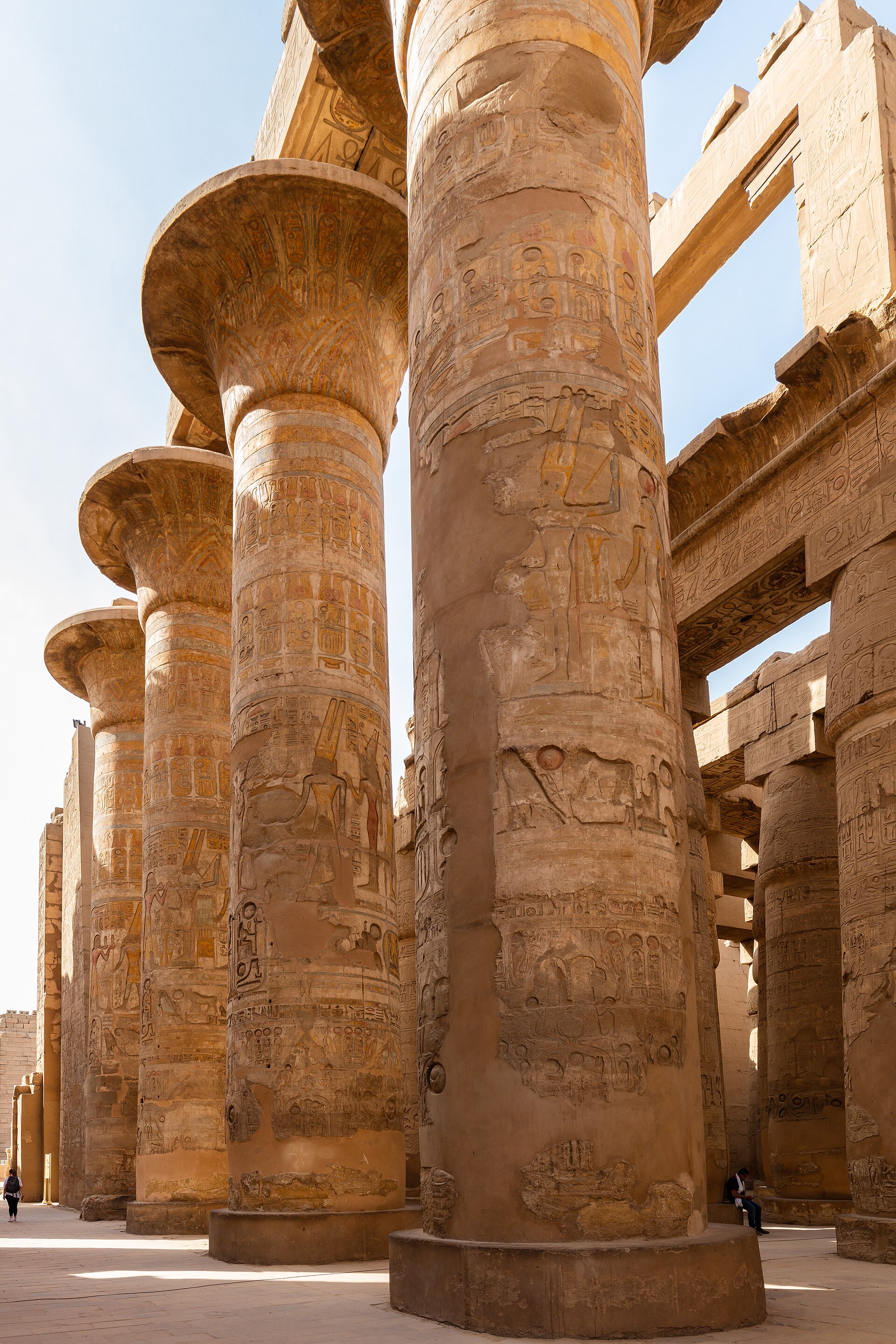
Hypostyle Hall columns at Karnak Temple in late afternoon light
Antiquities review · Established 2015

Specialist Reviews of Pharaonic Egypt, Written From the Field

Grand Muse Antiquities Review is an editorial publication produced by four Egyptology graduates working from a small office in Maadi, southern Cairo. We cover temple complexes, royal tombs and museum collections with the depth that a casual travel site cannot afford. Every review is grounded in an on-site visit within the last twelve months; ticket prices are read off the counter; corrections are dated and signed.

  • 180+Sites covered
  • 11Years on the desk
  • 4Specialist editors
Editorial method

How a Grand Muse Review Reaches Publication

Four stages between the fieldwork and the published page. The process is published because it is what makes the difference between a useful specialist review and a recycled travel-brochure paragraph.

1. On-site visit

A Grand Muse editor visits each site in person and spends a full working day there. Notes are taken on architectural state, current restoration, gallery rearrangements, ticket counter prices, opening hours, and the practical experience of arriving on foot or by car. Photographs are recorded at every transition point.
2. Antiquities cross-reference

Findings are cross-referenced against published academic literature, the official records of the Supreme Council of Antiquities, and the UNESCO World Heritage documentation where relevant. We use the academic record to verify what we observed and to flag discrepancies between visitor signage and the current scholarly consensus.

3. Second-editor review

The draft is passed to a second Grand Muse editor — usually the editor who covers the adjacent region — who reads for inconsistencies, missing transfer information, over-confident timings and any tonal slip. Drafts that fail the second-editor pass return for rewriting; nothing goes to publication on a single signature.

4. Twelve-month re-verification

Every published review is re-walked twelve months after publication. Ticket prices are re-read, opening hours re-checked, signage rephotographed. If a substantial change has occurred — a gallery closed for restoration, a new wing opened — the review is rewritten rather than patched.

Featured this quarter

Recent Specialist Coverage

A selection of the antiquities our editors have reviewed in detail in the most recent quarter. Each card links to the full piece on the relevant topic hub.

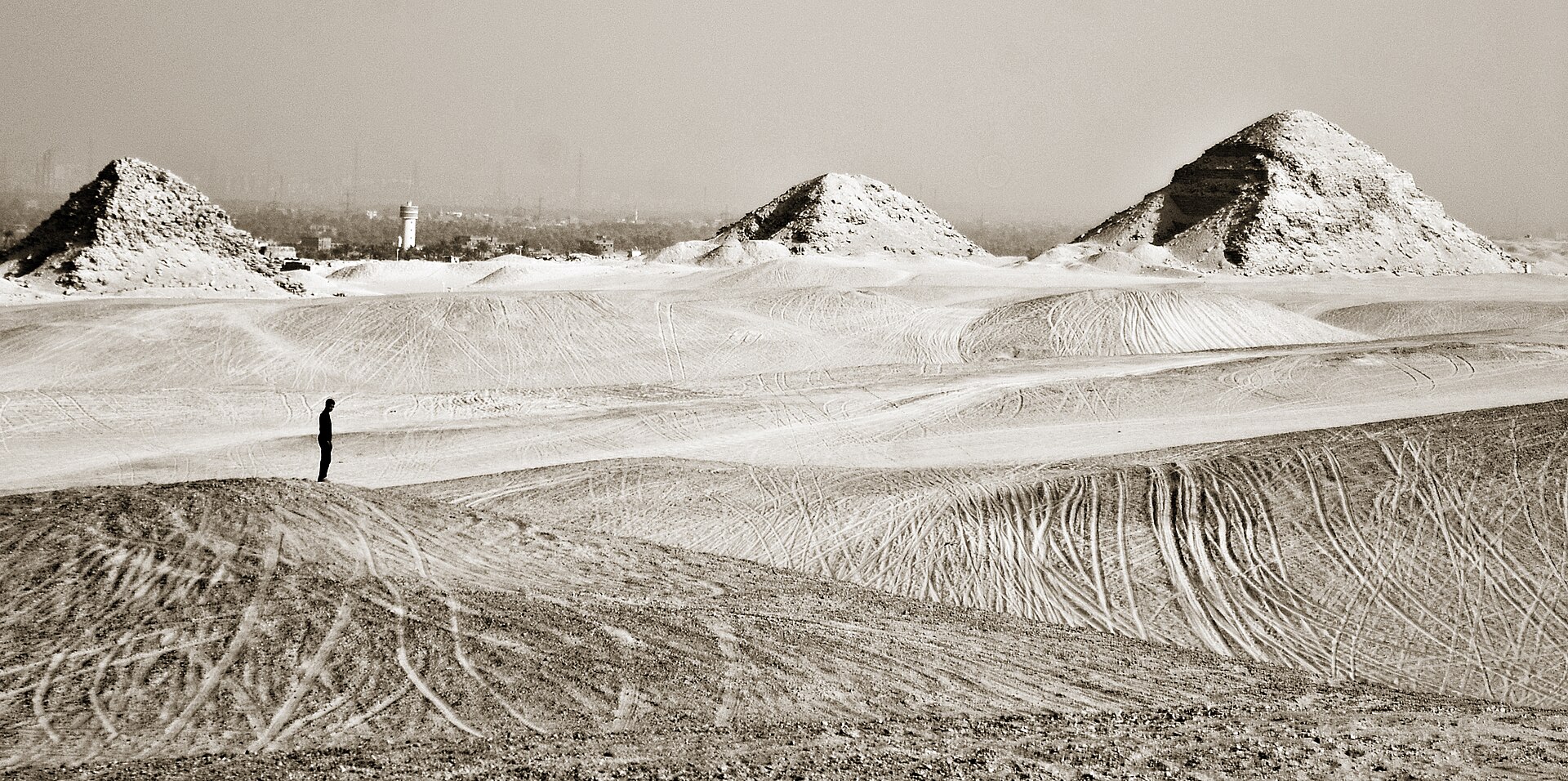
Pyramid silhouettes seen across the desert plateau at dawn
Pyramid field

Abusir and the Forgotten Fifth Dynasty

The Fifth Dynasty necropolis at Abusir is among the most under-visited pyramid fields around Cairo. The sun temples of Userkaf and Niuserre, and the remarkable mastaba of Ptahshepses, are accessible with a private driver as a half-day add-on to Saqqara.

Read the dossier
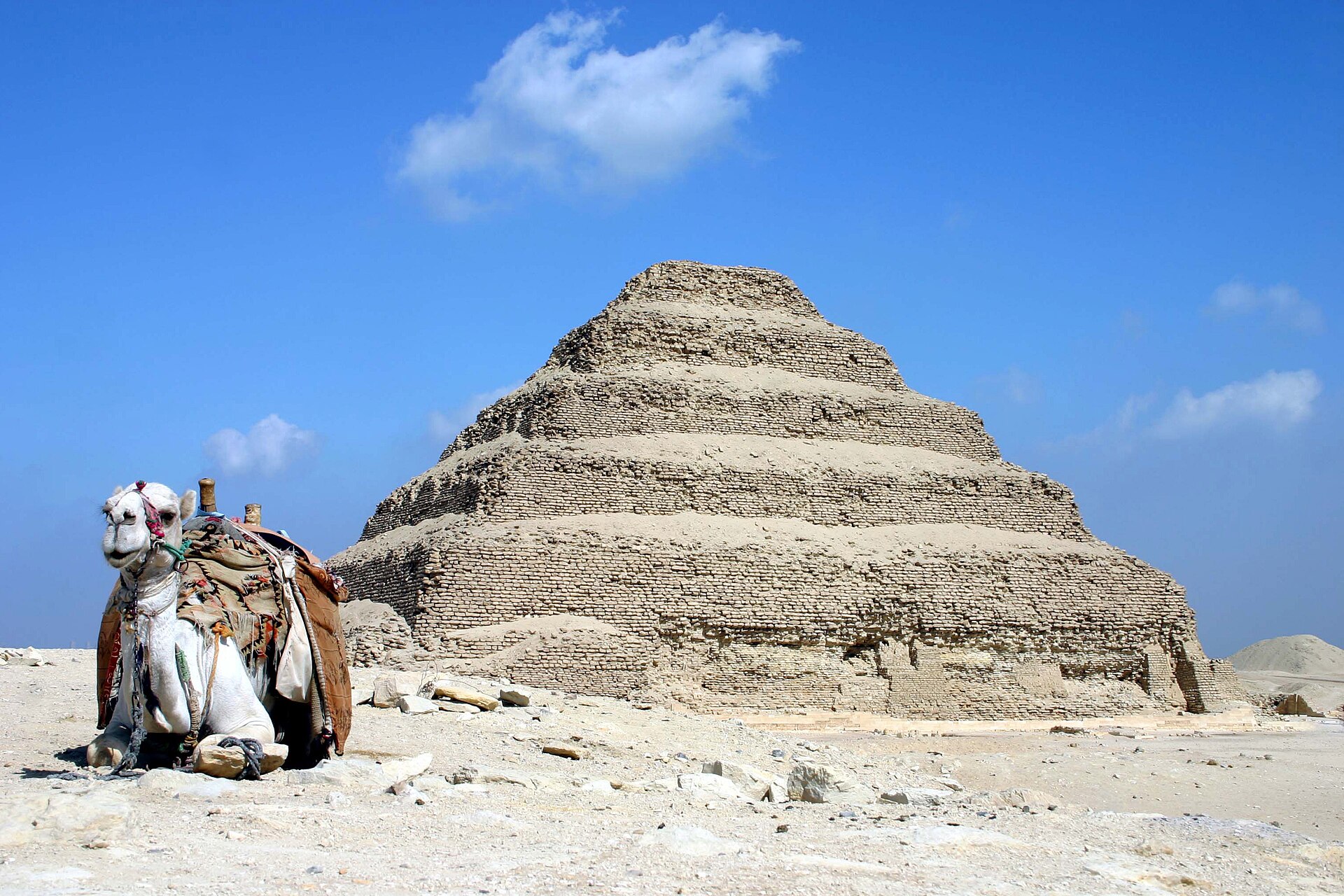
The Step Pyramid of Djoser at Saqqara seen from the south
Saqqara

Saqqara Necropolis and Imhotep's Workshop

The oldest large-scale stone monument in the world and the painted Old Kingdom mastabas around it. We cover the site museum, the Pyramid Texts of Unas, and the mastabas of Kagemni and Mereruka with their painted hunting scenes.

Read the dossier
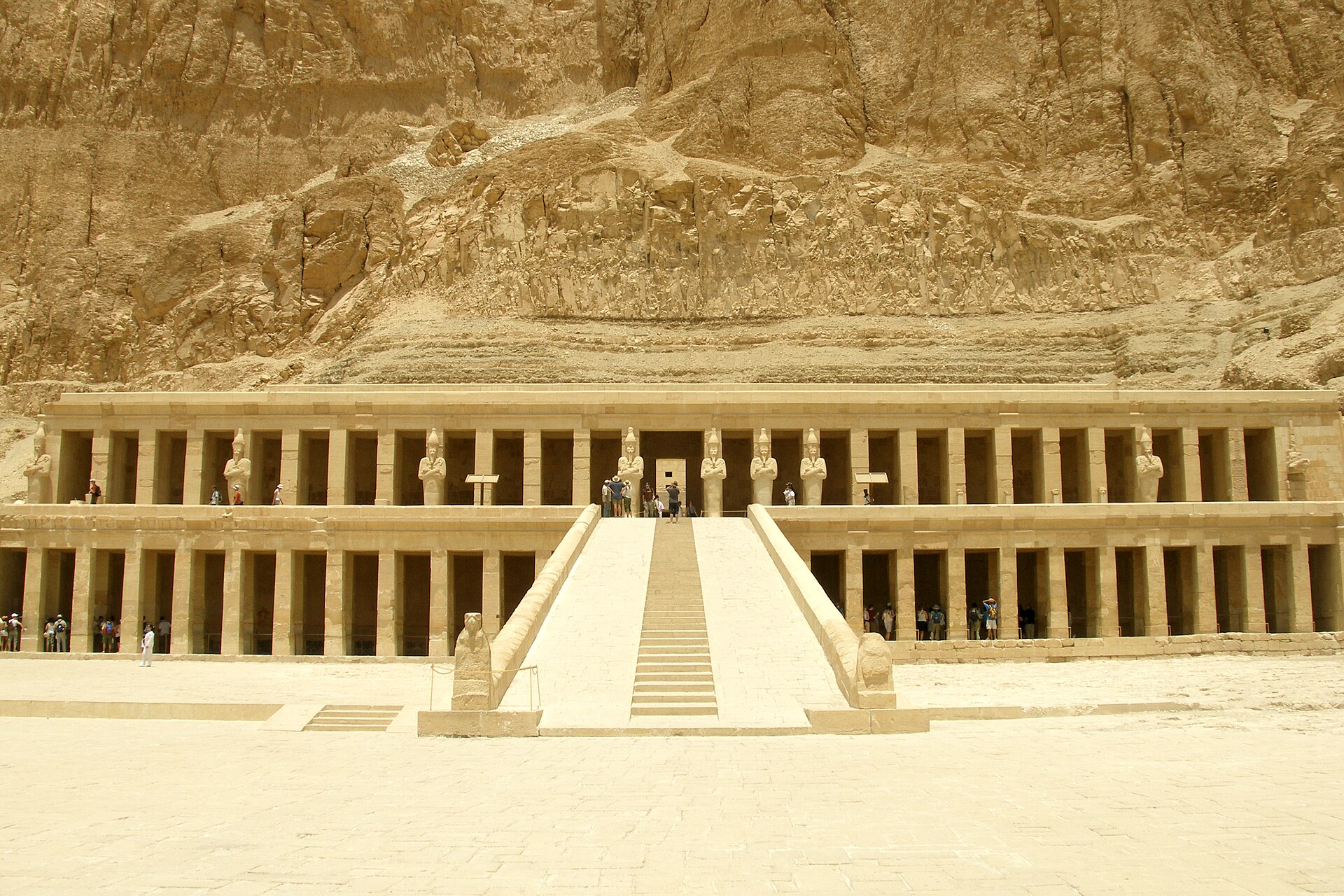
The colonnaded terraces of Hatshepsut's temple at Deir el-Bahari
West Bank, Luxor

Hatshepsut at Deir el-Bahari

The three-tiered mortuary temple of the female pharaoh. Specialist notes on the Punt Expedition reliefs, the Hathor chapel and the restoration history of the upper terrace. Recommended morning timing to avoid both heat and bus groups.

Read the dossier
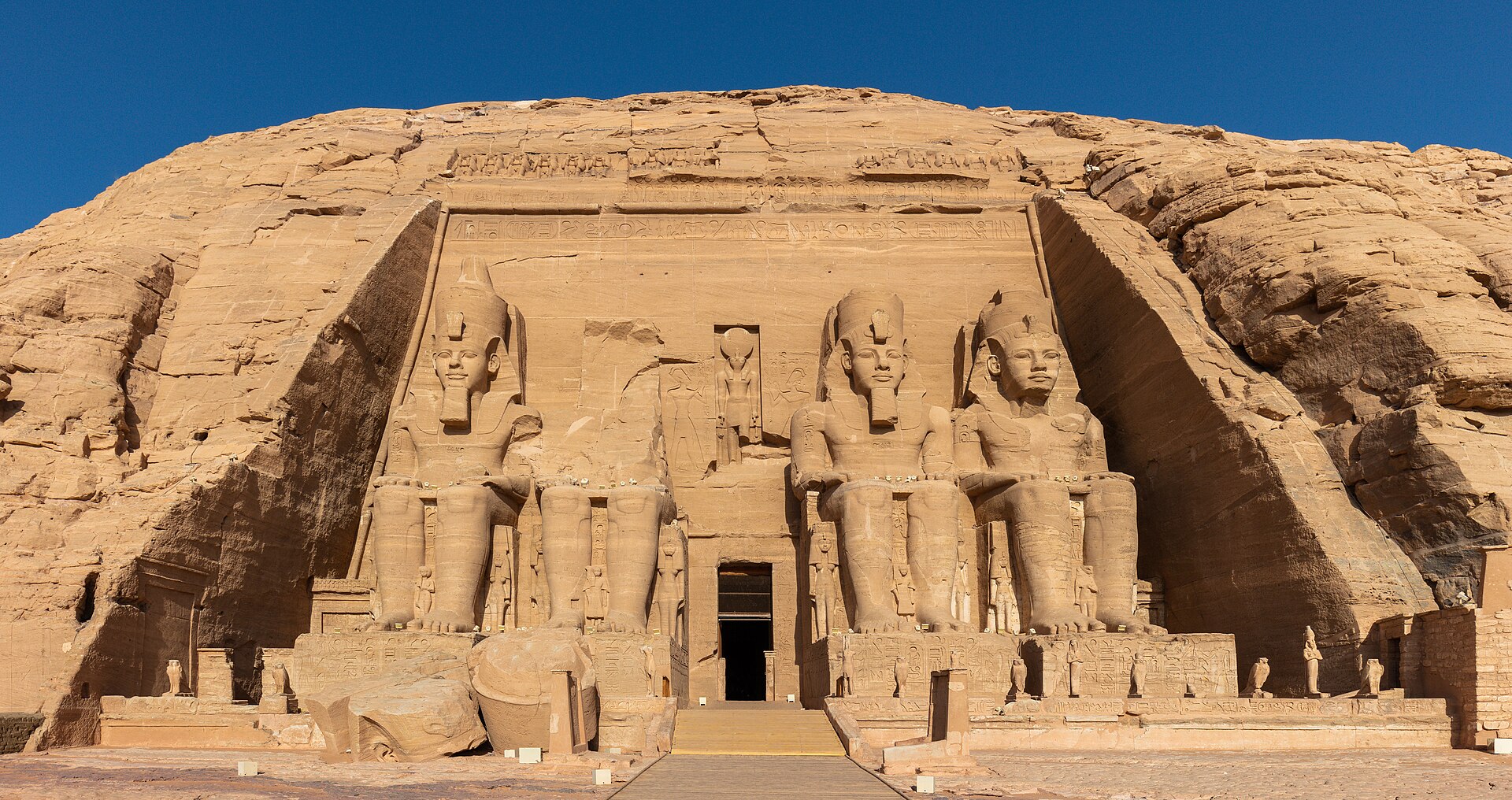
The colossal seated statues of Ramses II at the entrance of Abu Simbel
Abu Simbel

Abu Simbel and the UNESCO Relocation

The temples of Ramses II and Nefertari relocated above the rising Lake Nasser in the 1960s. We cover the engineering of the relocation, the iconography of the inner sanctuary, and the practical realities of the modern road convoy from Aswan.

Read the dossier
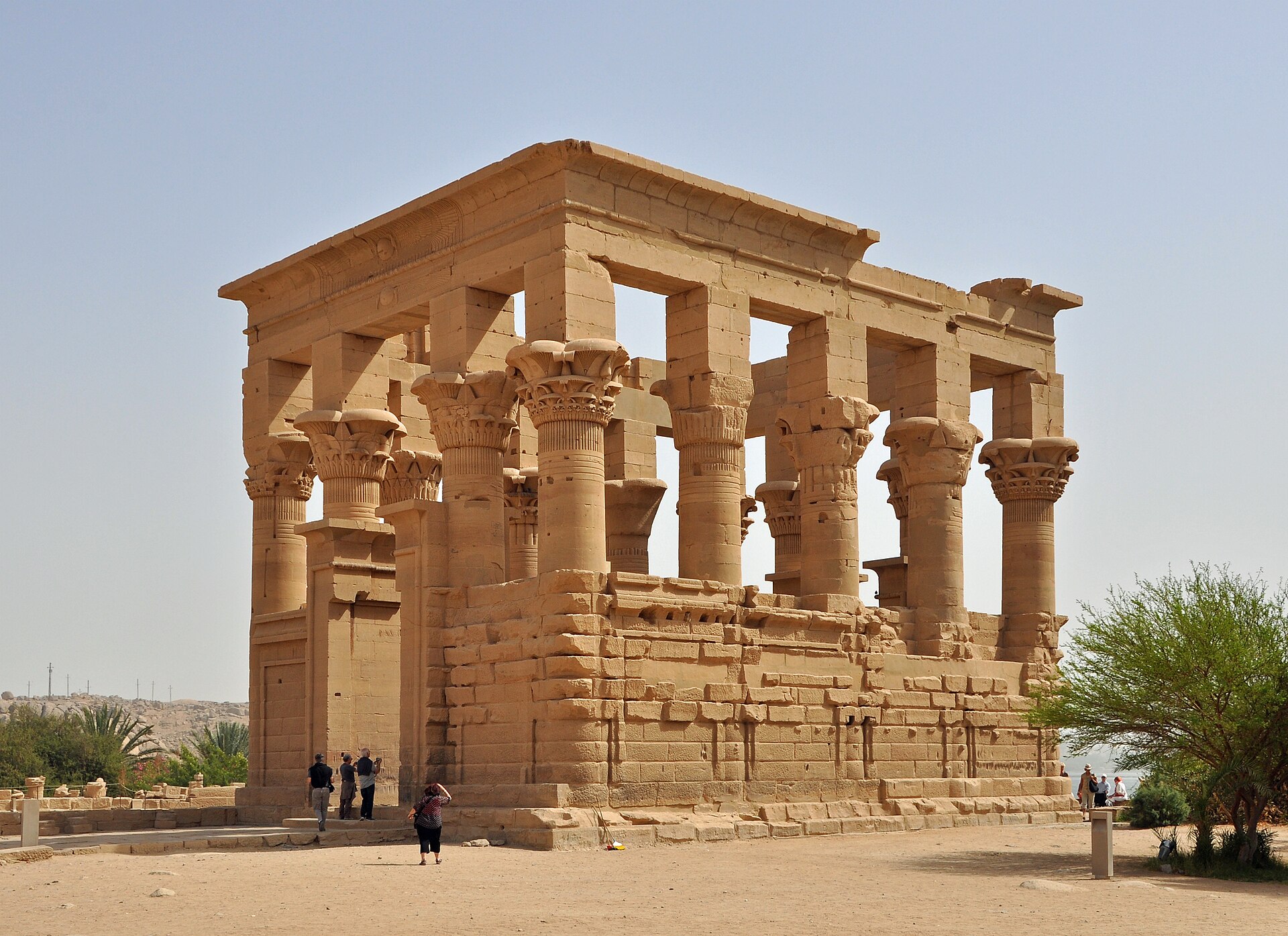
The temple of Isis on Agilkia island in the Aswan reservoir
Aswan

Philae and the Late Ptolemaic Tradition

The temple of Isis as the last functioning pharaonic religious complex, closed by Justinian in 537 CE. Specialist notes on the relocation to Agilkia, the Roman additions, and the surviving Coptic conversion in one of the inner chapels.

Read the dossier
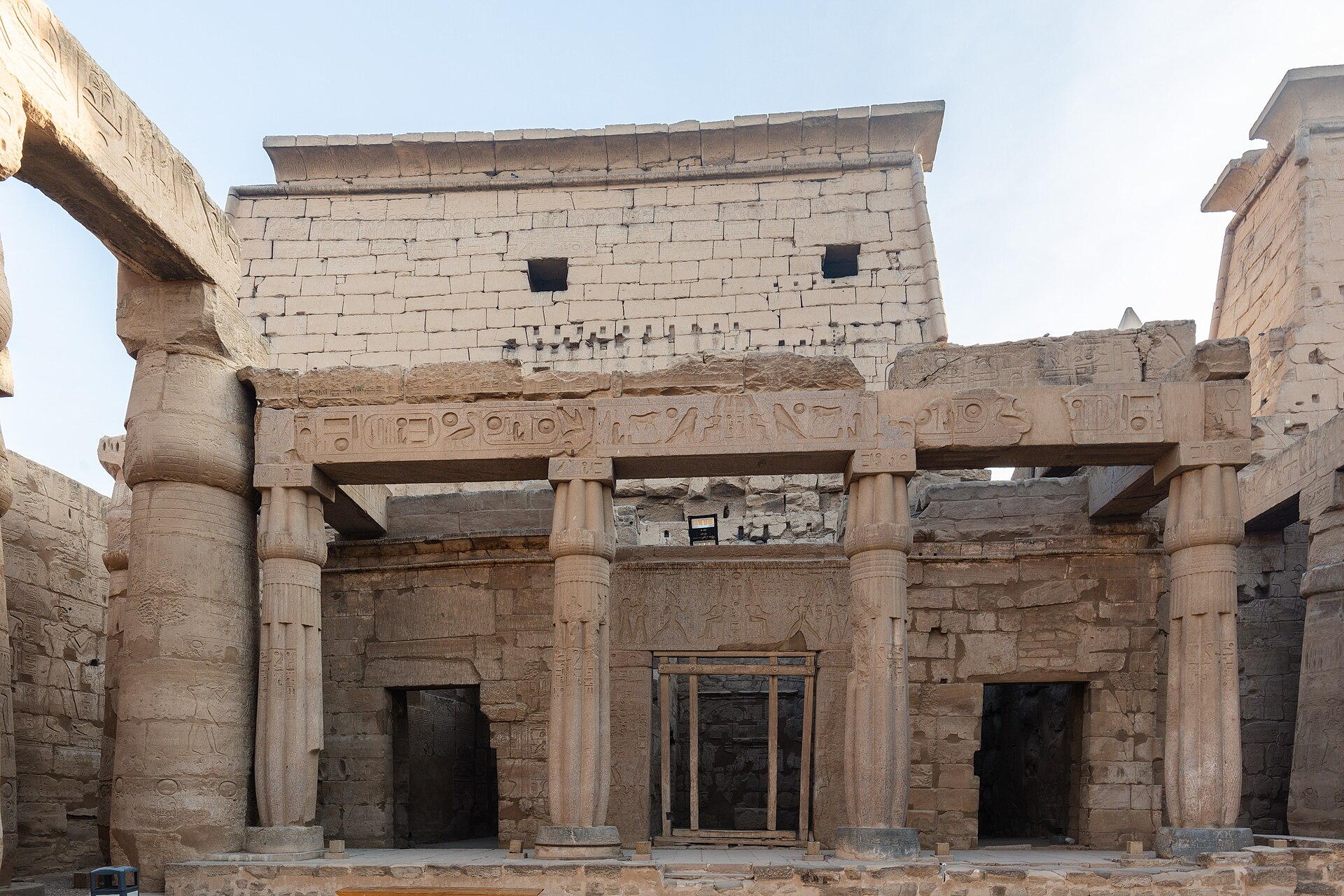
The colonnade of Amenhotep III at Luxor Temple
East Bank, Luxor

Luxor Temple and the Opet Festival Route

Luxor Temple as the southern end of the processional route that defined the Theban religious year. We trace the Opet Festival route from Karnak through the recently reopened Avenue of Sphinxes, with the editorial recommendation to walk it after dark.

Read the dossier
Editorial independence

No Advertising, No Affiliate Income, No Sponsored Coverage

Grand Muse Antiquities Review accepts no advertising income, no affiliate commissions on tickets or transport, and no sponsored coverage. The reader subscriptions described on the pricing page are the entire commercial side of the publication. The four editors take salaries comparable to the cultural-journalism sector in Cairo, the office on Road 9 in Maadi is paid for, and the rest goes back into fieldwork.

This editorial position is not a marketing posture — it is the reason the publication exists. Most online sources covering Egyptian antiquities are either travel agencies trying to sell you a package, or affiliate-driven aggregators rewriting press releases. Grand Muse fills a different role: a specialist publication that asks the academic questions and reports the practical answers, without the conflict of interest that comes with selling tickets.

If a heritage site disappoints in some way — a closed wing, a price increase that does not match the visitor experience, a restoration that has been over-promised — we say so. We will not soften the verdict because we want a press visit later. And we will not penalise a popular site for being popular; the score reflects the visit, not the queue.

  • Every review signed and dated by the editor who walked the site.
  • Quarterly ticket-price re-verification at the gate.
  • Annual re-walk and rewrite of each published review.
  • Cross-reference against academic literature and the Supreme Council records.
  • Corrections published openly at the top of the affected piece.

Seven Topic Hubs

The Grand Muse archive is organised into seven hubs. Pick whichever matches your interest — the first three cover the country's main heritage categories; the remaining four are the practical reference shelf.

Featured Museums

Ranked specialist reviews of Egypt's principal museum collections.

Daily Routes

Working day-by-day itineraries built around specific themes.

Before You Go

Practical pre-trip notes: dress, money, heat, photography.

Annual Events

The Egyptian cultural calendar — solar alignments, feasts, closures.

With Children

Antiquities travel that genuinely works with younger visitors.

Reader plans

Three Plans — All Reading Is Free

Everything published on Grand Muse is free to read without an account or paywall. The reader plans listed on the pricing page exist solely to fund the editorial work — the quarterly dossiers, the printable specialist briefings, and the editor-led trip reviews. Subscribers do not unlock secret content; the difference is in the personalised support and the additional materials.

The most expensive plan — the Specialist Itinerary — adds a personalised trip review by the editor responsible for the region you are visiting. This is the closest thing on the market to a private Egyptologist correspondent without the conventional consulting fee structure. The number of accepted Specialist Itinerary subscribers per month is capped so the editorial quality is maintained.