Topic hub · Heritage complexes

Pharaonic, Greco-Roman and Coptic Heritage Complexes

The archaeological complexes that define a serious heritage trip to Egypt. The page is organised geographically from the pyramid field around Cairo through Middle and Upper Egypt to Abu Simbel and the early Christian sites of South Sinai. Each entry carries the visitor-experience score, the gate-checked ticket price and the editor who walked the site most recently.

Tomb interior in the Valley of the Kings with painted reliefs along the corridor

"Heritage complex" is the Grand Muse working term for any archaeological site that requires more than a single building to make sense — pyramid fields, temple precincts, royal necropolises and monastic compounds. The category overlaps with what the literature calls "World Heritage Sites" but is broader: we include several sites that have not been inscribed by UNESCO but warrant the same editorial attention.

Pyramid Field

The Memphite Necropolises

The pyramid fields stretch in a belt about sixty kilometres long on the west bank of the Nile from Abu Sir north of Saqqara south to Meidum. Most visitors only see Giza, but the necropolises further south are where the pyramid form was developed and refined.

Saqqara — Step Pyramid of Djoser and Wider Necropolis

9.1
Location
Saqqara, 30 km south of Cairo
Ticket
From 450 EGP combined
Window
4 hours
Updated
December 2025 (HN)

The oldest large-scale stone monument in human history and the working ground of Imhotep around 2670 BCE. The Step Pyramid of Djoser is the anchor; the wider necropolis includes the Pyramid of Unas with the earliest Pyramid Texts, and the painted Old Kingdom mastabas of Kagemni and Mereruka. The reopened site museum is now one of the better-organised small museums in the country.

Dahshur — Bent and Red Pyramids

8.9
Location
Dahshur, 40 km south of Cairo
Ticket
From 200 EGP
Window
Half-day with driver
Updated
January 2026 (HN)

Sneferu's experimental ground. The Bent Pyramid shows the change of construction angle mid-build; the Red Pyramid is where the smooth-sided form first succeeded. Both interiors open. The corbelled chambers of the Red Pyramid are architectural prototypes for the later Khufu chambers and worth the climb for anyone interested in Old Kingdom construction technique.

Abusir — Fifth-Dynasty Necropolis

8.4
Location
Abusir, north of Saqqara
Ticket
From 200 EGP
Window
2 hours add-on to Saqqara
Updated
November 2025 (HN)

The Fifth-Dynasty pyramid field, dramatically under-visited. The sun temples of Userkaf and Niuserre are unique to this period, and the mastaba of Ptahshepses is among the largest non-royal tombs of the Old Kingdom. Combine with Saqqara as a half-day add-on with a private driver.

Pharaonic Upper Egypt

The Temple Belt of Upper Egypt

The pharaonic monuments of Upper Egypt are concentrated in a belt about 230 kilometres long along the Nile between Aswan in the south and Luxor in the north. The four complexes below are essential.

Karnak Temple Complex

9.4
Location
East Bank, Luxor
Ticket
From 600 EGP
Window
3 hours
Updated
January 2026 (RS)

The largest religious complex of pharaonic Egypt, built over fifteen centuries. The Hypostyle Hall remains the most striking architectural space in the ancient world. The open-air museum at the northern end contains the reassembled White Chapel of Senusret I, an essential Middle Kingdom monument. Aim for the last 90 minutes before sunset.

The Theban Necropolis (West Bank, Luxor)

9.3
Location
West Bank, Luxor
Ticket
Multiple tickets, ~1,500 EGP combined
Window
Full day
Updated
February 2026 (RS)

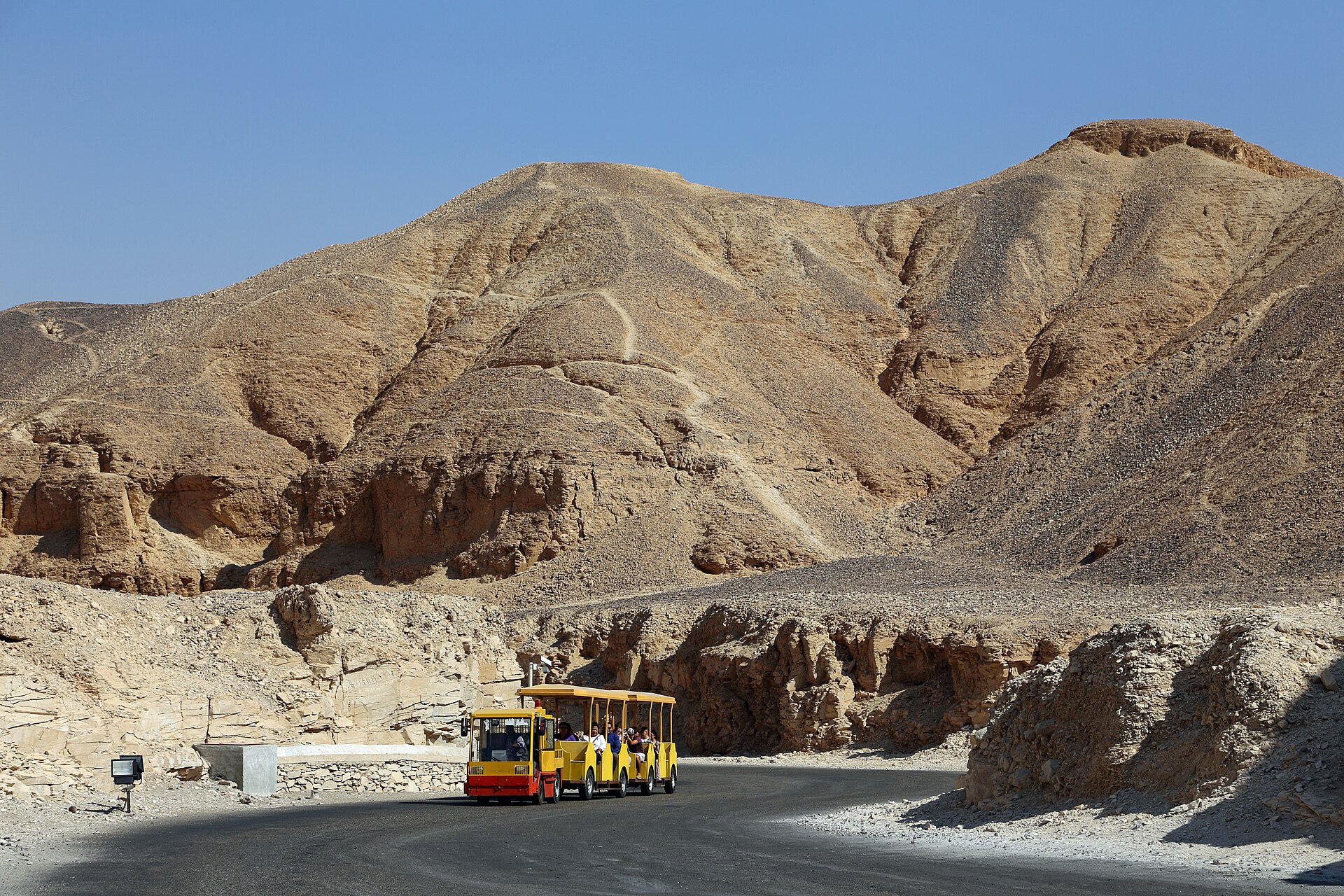
The royal necropolis of the New Kingdom. The Valley of the Kings, the Valley of the Queens, Hatshepsut's mortuary temple at Deir el-Bahari, the Ramesseum, Medinet Habu and the Colossi of Memnon. A full-day visit covers Valley of the Kings + Hatshepsut + Medinet Habu; a second day adds the Valley of the Queens and the Ramesseum.

Abu Simbel — Ramses II and Nefertari

9.6
Location
Lake Nasser, 280 km south of Aswan
Ticket
From 600 EGP + convoy fee
Window
Full day with road convoy
Updated
December 2025 (RS)

The UNESCO relocation project of the 1960s. Two rock-cut temples relocated above the rising waters of Lake Nasser. The inner sanctuary alignment causes the rising sun to illuminate the seated statues twice a year, on 22 February and 22 October. Standard road convoy departs Aswan around 04:00.

Philae — Temple of Isis

9.0
Location
Agilkia Island, Aswan
Ticket
From 450 EGP + boat fare
Window
2.5 hours including crossing
Updated
January 2026 (RS)

The last functioning pharaonic religious complex, closed by Justinian in 537 CE. Relocated to Agilkia Island in the 1970s. The carvings have aged remarkably well. Specialist focus: the Coptic cross incisions on the inner walls of the Hathor chapel, dating from the period after the Justinian closure.

Early Christian

Coptic and Late Antique Heritage

The Coptic and Byzantine layer of Egyptian heritage is concentrated in two main locations: Old Cairo and Saint Catherine's Monastery in South Sinai. Both warrant their own programmes.

Saint Catherine's Monastery

9.5
Location
South Sinai
Ticket
Free; donations welcome
Window
Half-day on site
Updated
November 2025 (MY)

One of the oldest continuously inhabited Christian monasteries in the world, founded in the sixth century. The library is among the most important repositories of Late Antique and Byzantine manuscripts on earth. Closed on Fridays, Sundays and Eastern Orthodox feast days. Specialist focus: the sixth-century mosaic of the Transfiguration in the main church.

Coptic Cairo — Babylon Quarter

8.6
Location
Mar Girgis, Old Cairo
Ticket
Free; Coptic Museum 200 EGP
Window
2 hours
Updated
November 2025 (MY)

The fortified Roman quarter of Babylon, with the Hanging Church, Saints Sergius and Bacchus, the Greek Orthodox Saint George, the Ben Ezra Synagogue and the Coptic Museum. Modest dress required. Specialist focus: the carved wooden screens in Saints Sergius and Bacchus are world-class and consistently under-appreciated.

Related topic hubs

Featured Museums

The museum collections that complement these archaeological complexes.

Daily Routes

Working day-by-day itineraries that pair complexes with museums.